Service Department
GM Brake Repair
Brake Inspection and Repair in Surrey, BC
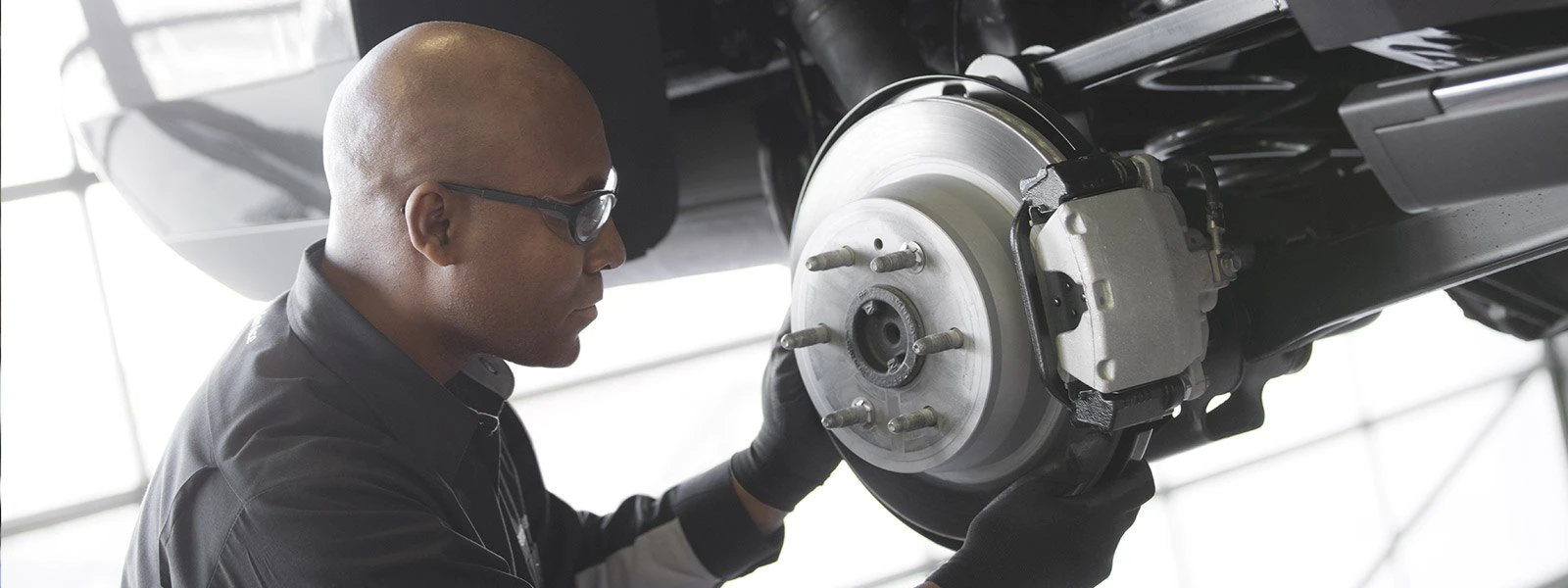
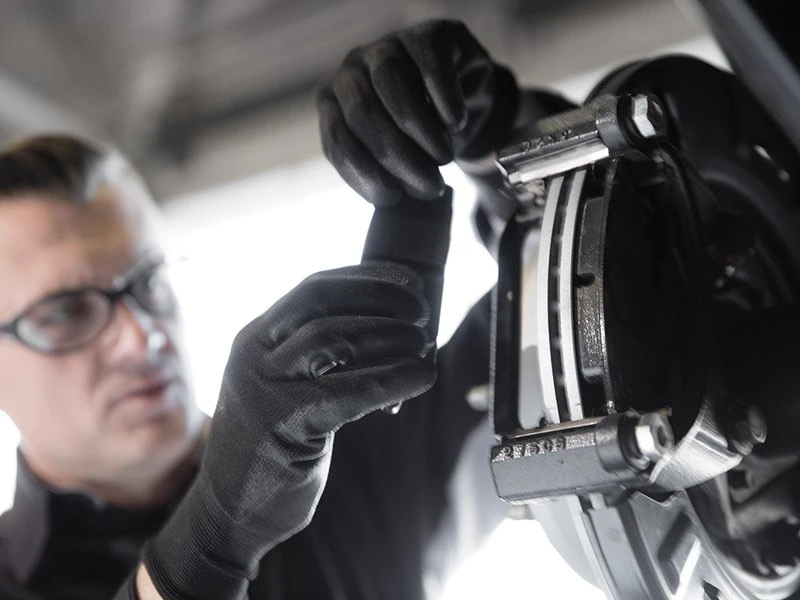
Brakes rarely fail all at once, which is exactly why so many drivers miss the slow decline in stopping power. Here at Wheaton GM Surrey, our certified technicians inspect the entire system rather than just the pad thickness. That includes brake lines, hoses, pads, rotors, drums, calipers, and the master cylinder. We offer parts to suit a range of budgets, from ACDelco components through to original equipment. Every repair is completed to correct manufacturer specifications for your Chevrolet, Buick or GMC. Before any work begins, we walk you through what we found and what it means for your safety. If your pedal feels different from how it used to, book an inspection before a minor fix grows.
What Happens Between Your Foot and the Road
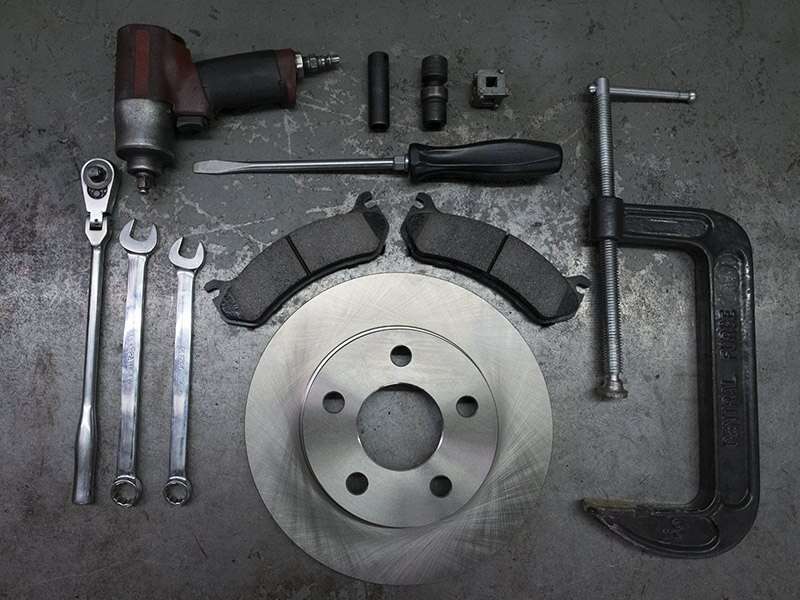
Pressing the brake pedal pushes a piston inside the master cylinder, turning leg effort into hydraulic pressure. Brake fluid carries that pressure through steel lines and flexible hoses out to each wheel. There, calipers squeeze friction pads against spinning rotors, converting motion into heat until the vehicle slows. Some rear axles use drums and shoes, which work on the same principle from the inside out. Healthy brakes depend on every link in this chain, from fluid quality to rotor surface. Brake fluid gradually absorbs moisture, lowering its boiling point and softening pedal feel under hard use. The anti-lock system then rapidly pulses pressure so the wheels keep turning and you maintain steering control.
Warning Signs Your Brakes Need Attention
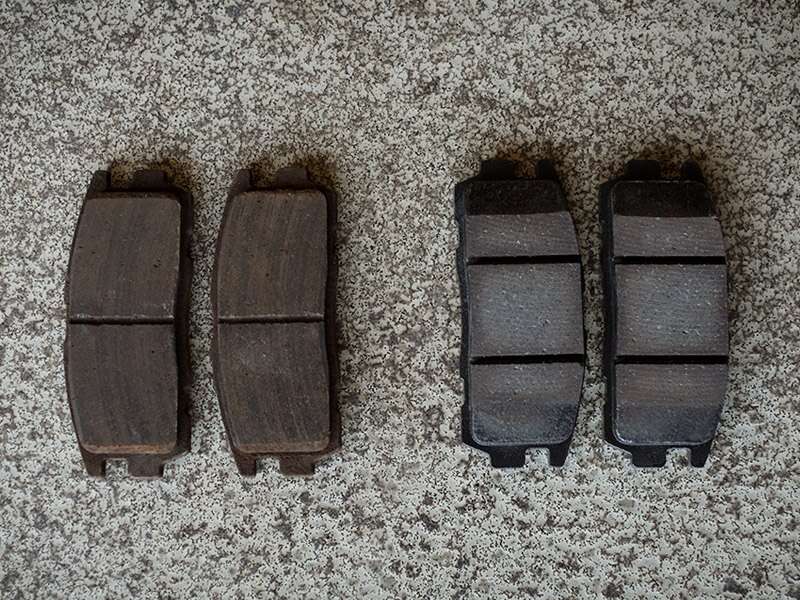
A high-pitched squeal often comes from a built-in wear indicator telling you the pads are getting thin. Grinding means metal is likely rubbing metal, and the rotors are now taking damage with every stop. A pulsing pedal usually points to uneven rotor surfaces. A soft or sinking pedal can mean air or moisture in the fluid. A burning smell after a long downhill run suggests overheated pads. Pulling to one side under braking often traces back to a sticking caliper or collapsed hose. Waiting lengthens stopping distances and turns a pad replacement into a rotor-and-caliper job. Prompt service keeps repair costs contained and braking response predictable for you and your passengers.
Wheaton GM Surrey Brake Repair
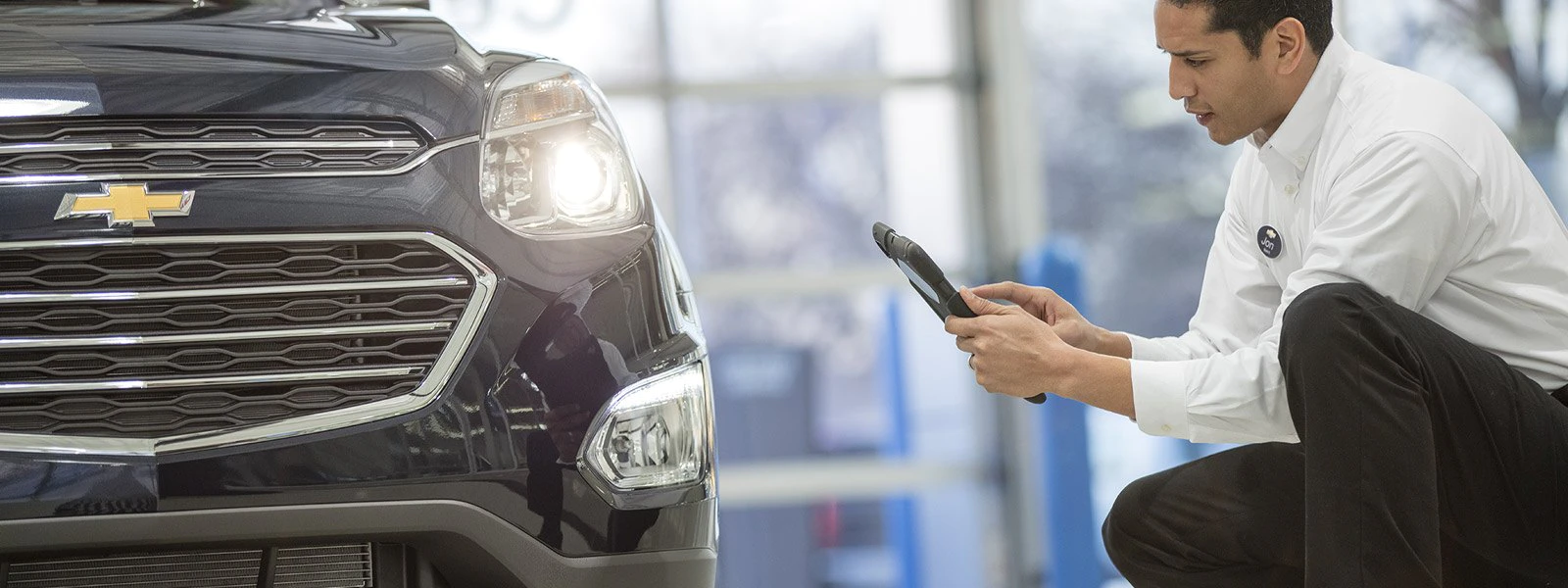
Bring your vehicle to Wheaton GM Surrey at 3050 King George Blvd #5 in Surrey for a thorough brake inspection. Our certified technicians will show you what they found and explain your options clearly before any work begins. Choose parts that suit your budget and plans for the vehicle. Then relax in our updated waiting lounge, or take our shuttle to home or work. Our certified team works on Chevrolet, Buick and GMC brake systems every day. Call 604-536-7661, or schedule online to reserve a time that suits your day. We’d be glad to get your brakes feeling firm and predictable again.
Brake Repair FAQs
How often should I have my brakes inspected?
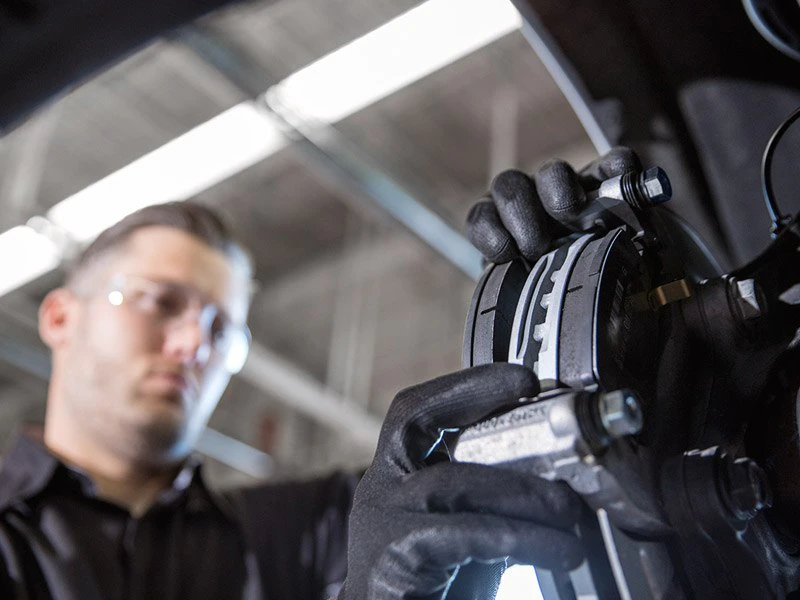
A brake check at every oil change is a sensible habit, since our technicians already have the wheels within reach. Drivers who tow, haul heavy loads or sit in stop-and-go traffic should watch wear even more closely. Your owner’s manual lists specific intervals for fluid and component checks.
Why do my brakes make a grinding noise after the vehicle sits outside overnight?
Moisture can leave a thin film of surface rust on the rotors after a damp night or a car wash. That rust usually scrapes away within the first few stops and the noise disappears. If grinding continues after several stops, have the pads and rotors inspected.
Do rotors always need to be replaced when I get new brake pads?
Not always, since rotors that are smooth and above minimum thickness can stay in service. Rotors with deep grooves, heat spots or uneven wear should be resurfaced or replaced for proper pad contact. Our technicians measure each rotor and recommend the option that best suits its condition.
How often does brake fluid need to be changed?
Brake fluid absorbs moisture over time, lowering its boiling point and potentially corroding internal parts. Many manufacturers recommend a flush every two to three years, but your owner’s manual has the exact interval. We can test your fluid’s condition during any service visit.
What is the difference between ACDelco and original equipment brake parts?
Original equipment parts match what your vehicle was built with at the factory. ACDelco offers quality alternatives designed for Chevrolet, Buick, and GMC vehicles at a range of price points. Both are installed to the same specifications, so you can choose based on your budget and plans.
Is it safe to keep driving with the brake warning light on?
The brake warning light can signal low fluid, a hydraulic fault, or an engaged parking brake. Low fluid often means worn pads or a leak, and both affect how well the vehicle stops. Have it checked as soon as possible rather than waiting for symptoms to get worse.
Why does my vehicle pull to one side when I brake?
Uneven braking force between the left and right wheels usually causes the pull. A sticking caliper, contaminated pad, or damaged hose is often responsible. Left alone, the problem can wear components unevenly and make emergency stops less predictable.
Does towing a trailer wear my brakes faster?
Yes, extra weight means the brakes absorb more heat and work harder on every stop. Pads and fluid can wear faster on vehicles that tow regularly. A properly adjusted trailer brake controller helps share that load and protects your vehicle’s own brakes.
Didn’t find the answer you are looking for? Contact us 604-536-7661